Self-Esteem Isn’t a Mindset Issue for Women
Did you know that February is recognized as International Self-Esteem Month — often framed as a time to think more positively, quiet negative self-talk, and “build confidence.”
But here’s the truth most women aren’t told:
Self-esteem isn’t a mindset issue for women.🧠
If it were, affirmations would have fixed it by now.
The data tells a much bigger story.
- Nearly 1 in 2 women report ongoing self-doubt, and around 60% wish they had more respect for themselves.
- In the workplace, almost 80% of women struggle with self-esteem and self-advocacy, directly limiting confidence, visibility, and career progression.
- Decades of research also show that women are disproportionately impacted by societal pressure, body standards, and comparison culture — all strongly linked to lower self-esteem outcomes compared to men.
This isn’t about individual failure.
It’s about what women have been required to endure.
What I see again and again is this:
Self-esteem erodes when women are taught — explicitly or subtly — to override their bodies. There is often a moment when a woman learns that rest is unsafe, hunger is inconvenient, emotion is disruptive, and slowing down costs her belonging or success.
So she pushes.
She performs.
She adapts.
Not because she’s broken — but because survival demanded it. Over time, this self-override fractures self-trust. And without self-trust, no amount of positive thinking can restore self-esteem.
This is why mindset work alone doesn’t stick.
Why self-care feels inconsistent or guilt-laced.
Why confidence feels performative rather than embodied.
Self-esteem is rebuilt through safety, not pressure.🫶
It returns when the nervous system feels supported enough to listen inward again — when nourishment replaces restriction, rhythm replaces urgency, and care replaces self-criticism.
🌿 If you are wanting to dive deeper and understand how our biology is wired differently — and learn how hormones, food, stress, and nervous system health shape energy, mood, and self-perception — I invite you to my Free Women, Hormones & Food Workshop.
This workshop explores how perimenopause, chronic stress, detox pathways, and nourishment directly impact emotional regulation and self-trust — and how working with your biology creates sustainable confidence.
✨ All attendees receive a free workbook to support integration of hormonal shifts and changes!
This February isn’t about fixing yourself.
It’s about recognizing what was never wrong.
Self-esteem returns when the body feels safe enough to stay.🫶

February Recipe Book
February is a month to nourish from the inside out—especially when it’s still chilly and your body craves warmth, grounding, and sustenance. This month’s recipes are hearty, wholesome, and made to support your energy, focus, and well-being with simple ingredients and rich, comforting flavors.
From slow-cooked chili to one-pot pasta and roasted veggie sides that hit the spot, these meals are all about ease, nourishment, and showing your body some love.
Enjoy recipes like:
🥩 Balsamic Beef & Kale with Roasted Potatoes
🍝 Creamy One Pot Vegetable Pasta
🍗 Rosemary Chicken Thighs & Garlic Brussels Sprouts
🍠 Slow Cooker Sweet Potato Chili
❤️ And more!
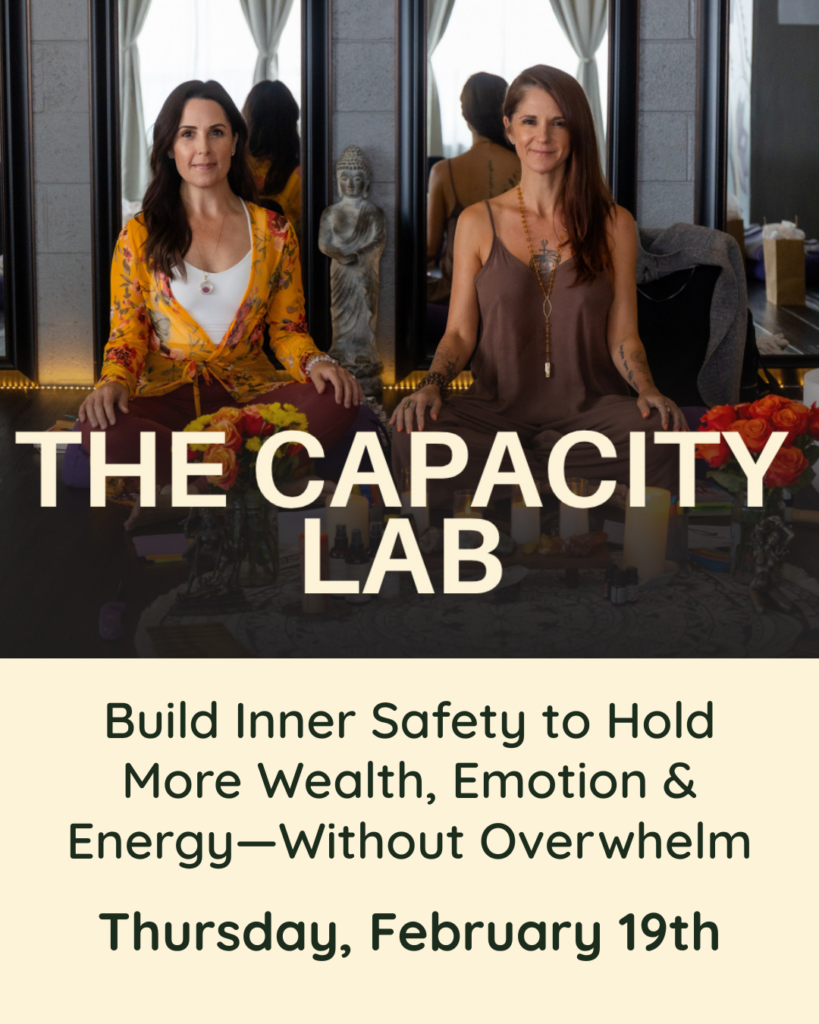
The Capacity Lab
February 19th
If this is the year you’re choosing a new pace and new rules, The Capacity Lab is your next step.
Most women try to change their lives by doing more. But your nervous system is the one in charge. If your body doesn’t feel safe, growth stays blocked.
That’s why The Capacity Lab exists.
This free workshop shows you how to create the internal safety required for real expansion, emotionally and financially.
You’ll learn:
💠 Why small, safe steps create more sustainable growth
💠 How survival mode limits emotional and financial capacity
💠 The connection between nervous system regulation and expansion
💠 Simple somatic practices to hold more without burning out
You weren’t meant to hustle your way into safety.
You were meant to feel safe enough to rise.
If 2026 is the year you stop overriding your body and start aligning with it, this workshop is for you.
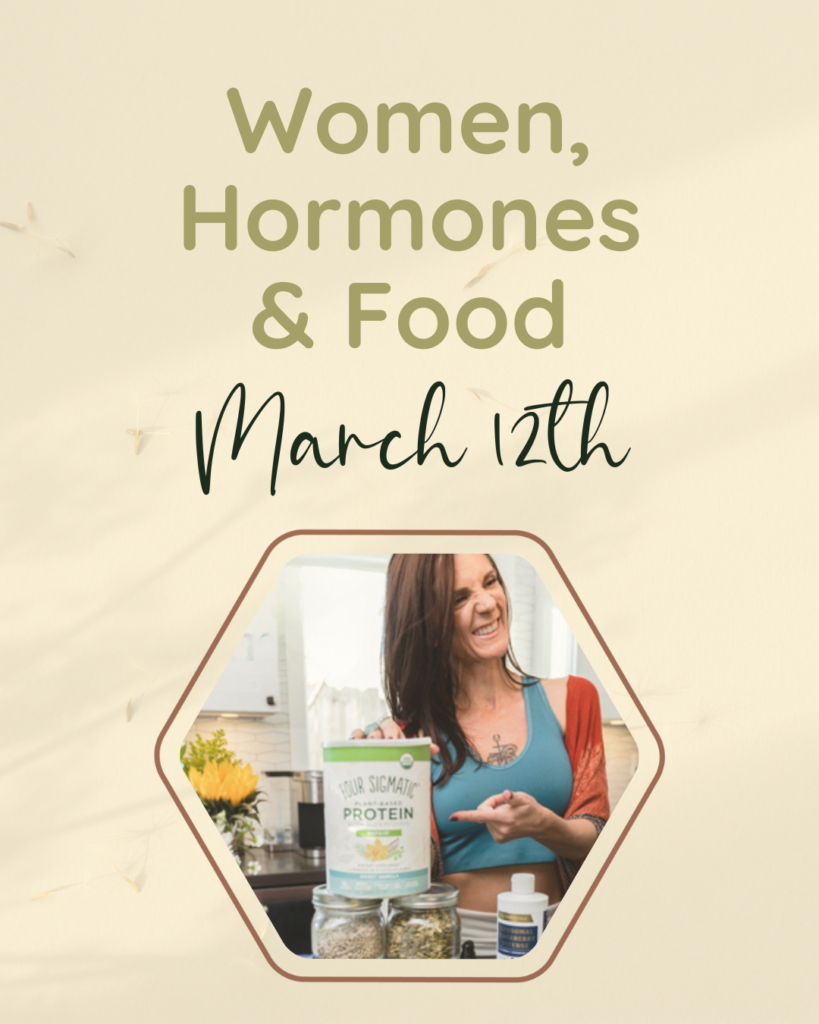
Women, Hormones
& Food
March 12th
Perimenopause isn’t a sudden event — it’s a transition that can last anywhere from 2–10 years, with symptoms often beginning in your late 30s. Mood changes, stubborn weight gain, fatigue, disrupted sleep, anxiety, cravings, and burnout aren’t personal failures — they’re signals from a hormonally stressed body.
From chronic stress and nervous system overload to environmental toxins, detox pathways, and modern food choices, women are navigating hormonal shifts without the education or support they deserve.
In this free workshop, you’ll learn practical, actionable steps to support your hormones through nourishment — not restriction — so you can understand what your body actually needs in this season of life.
This is about working with your biology, not overriding it.
✨ All attendees receive a FREE workbook with tools you can start using immediately — plus additional resources to support your hormone health beyond the workshop.
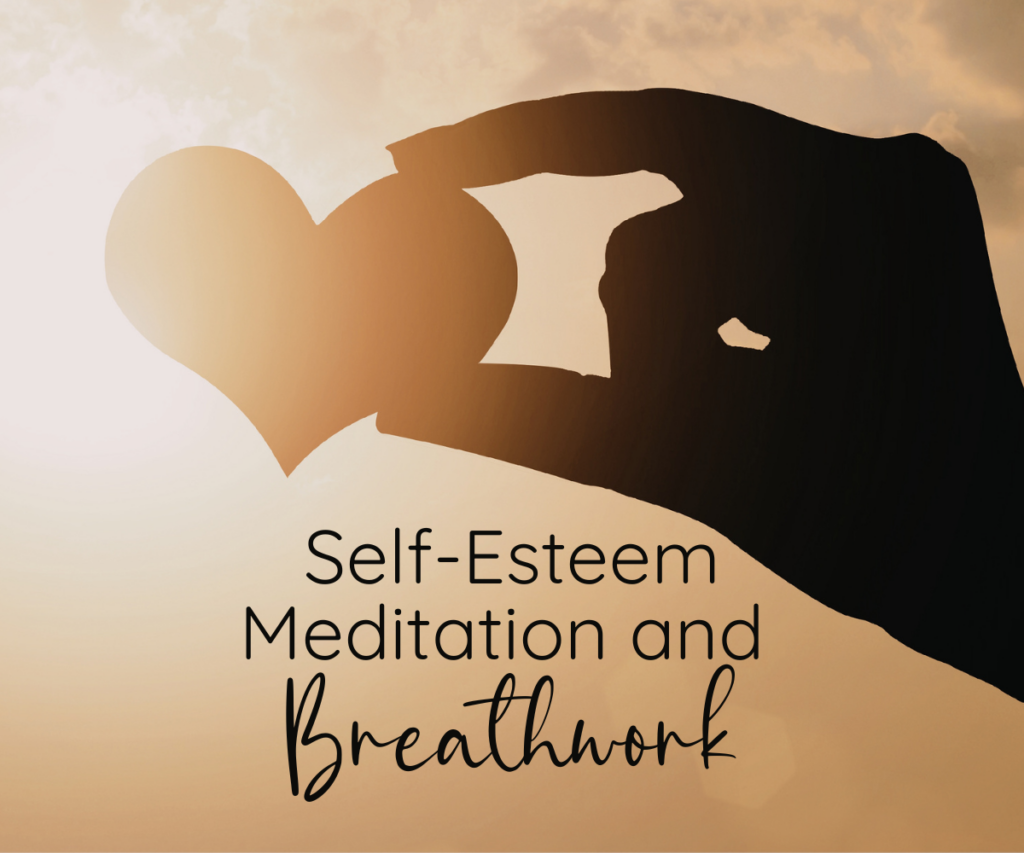
Take a quiet moment just for you.
Today’s meditation is a grounding journey designed to support your self-esteem through gentle breathwork, calming visualization, and affirmations that help you reconnect with your sense of worth, safety, and inner strength. This is an invitation to soften tension in the body, quiet the mind, and remind yourself that you are already enough, exactly as you are.
Whether you listen sitting comfortably or resting down, this practice offers a peaceful reset and a chance to return to your day feeling calm, confident, and refreshed.
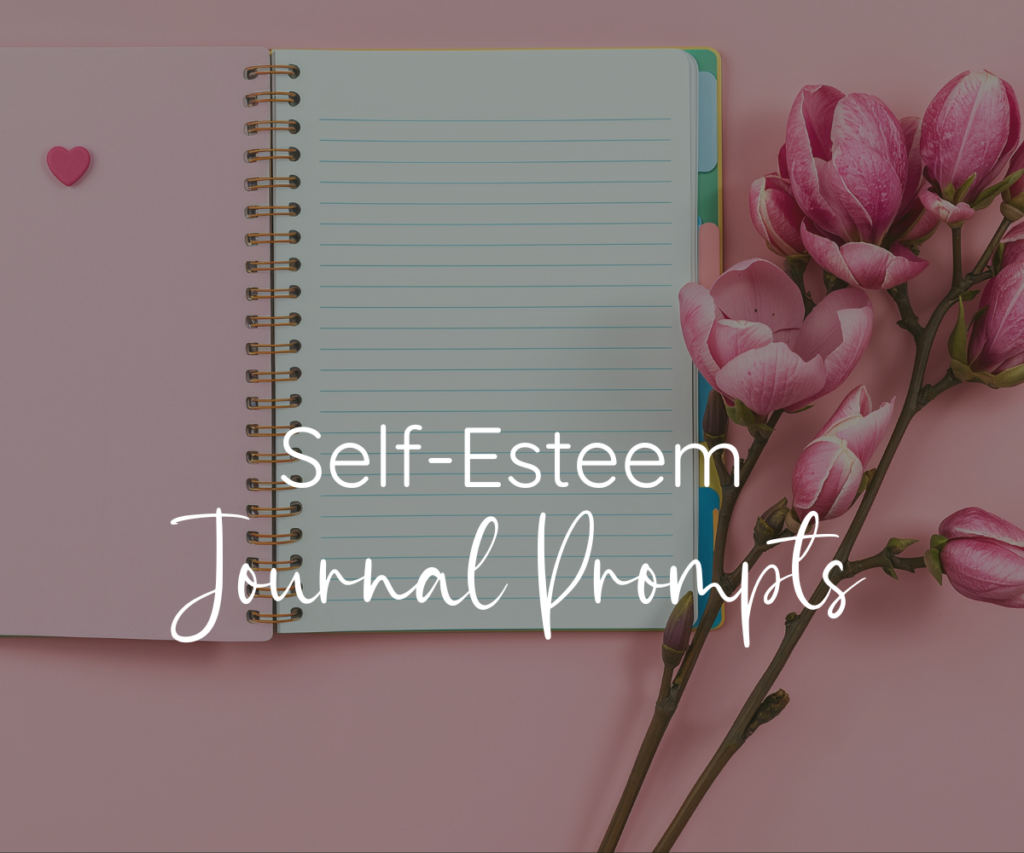
Dedicate 30 minutes of your day to journal and reflect on these questions:
- Where in my life am I already showing up with more care, honesty, or courage than I give myself credit for?
- What does my body do when I feel safe, supported, and respected — and how can I create more of that this week?
- What strengths have helped me navigate hard seasons in the past, and how are those strengths still alive in me today?
- If self-esteem grew from listening instead of pushing, what would I respond to differently right now?
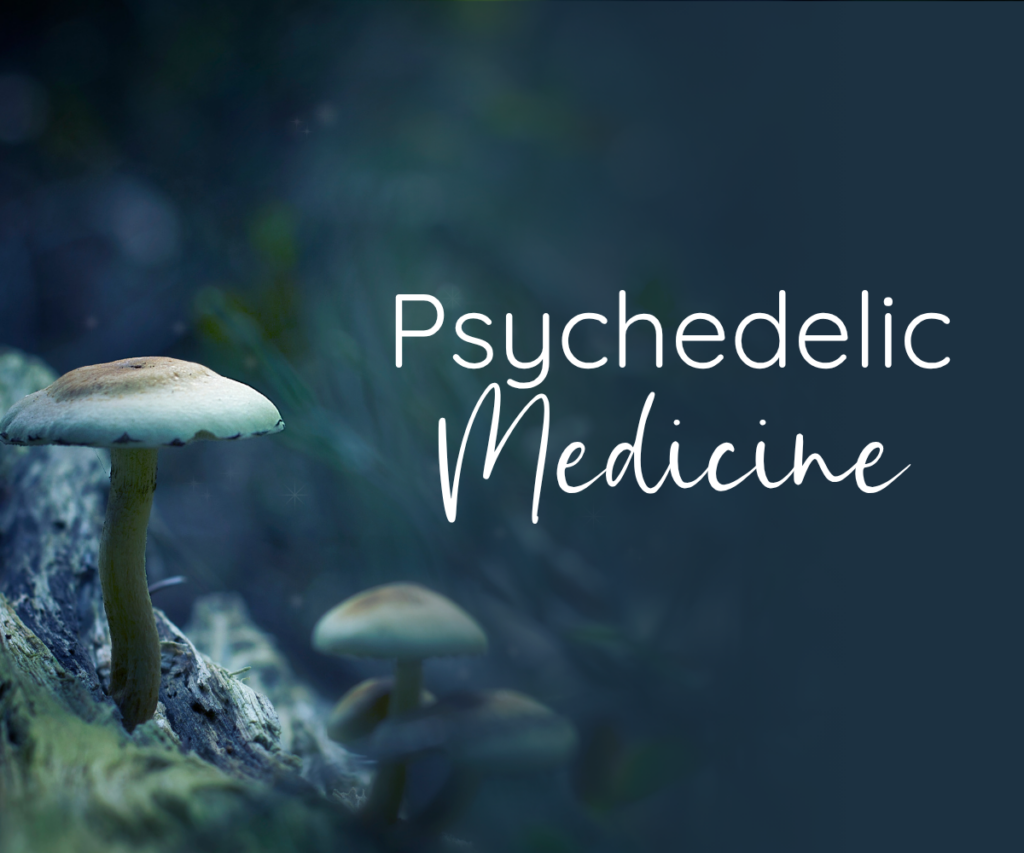
Psychedelic medicine offers a powerful path to healing—releasing trauma, rewiring thoughts, and restoring balance. In a safe, supportive setting, it fosters clarity, connection, and transformation.
Curious to explore more?
Melissa is offers private sessions.
Book a Deep Dive call to learn more.
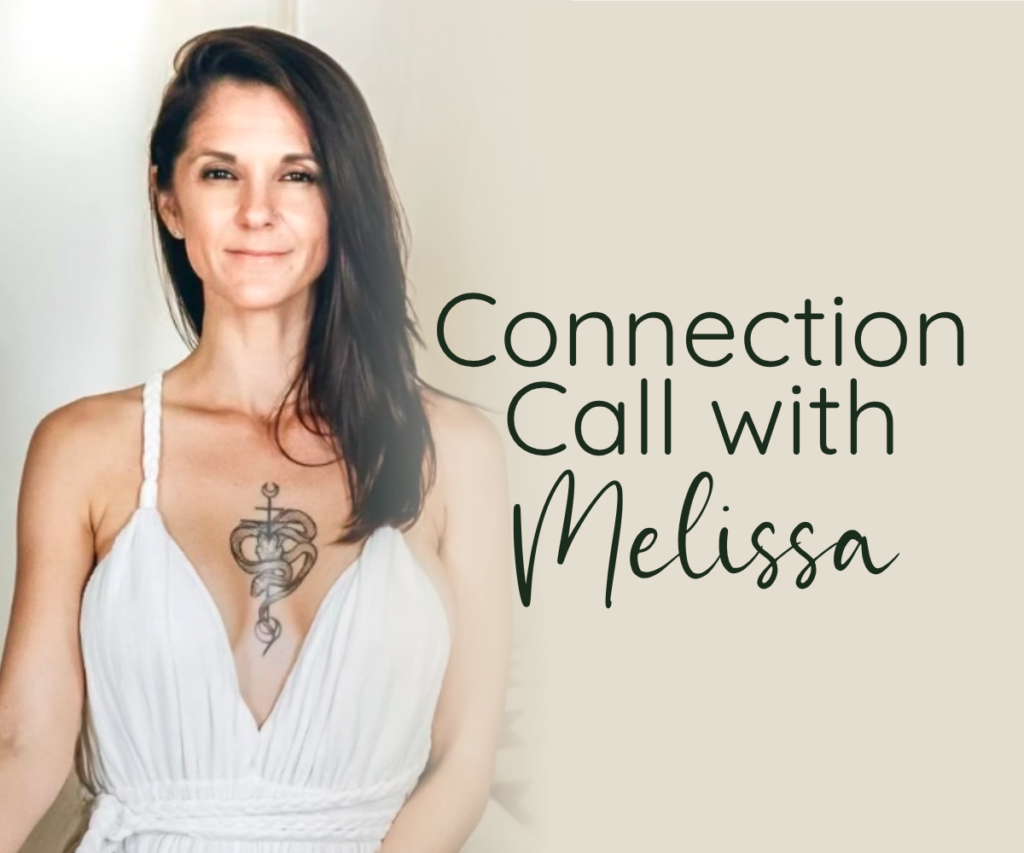
Melissa is calling all women to come forward for a FREE 30-minute connection call to help deepen your connection to your healthy, mature feminine.
Find the support, accountability, and guidance you need to discover your values and find alignment.
Leave a Reply